Sewer Camera Inspection
See inside the line on video before you pick a repair or buy a property.
Sewer gas is not just unpleasant. A steady smell tells you that something is letting air from the drain system into the house. Some causes take a minute to fix. Others need a camera.
By the Avondale Plumbing Co. team ·
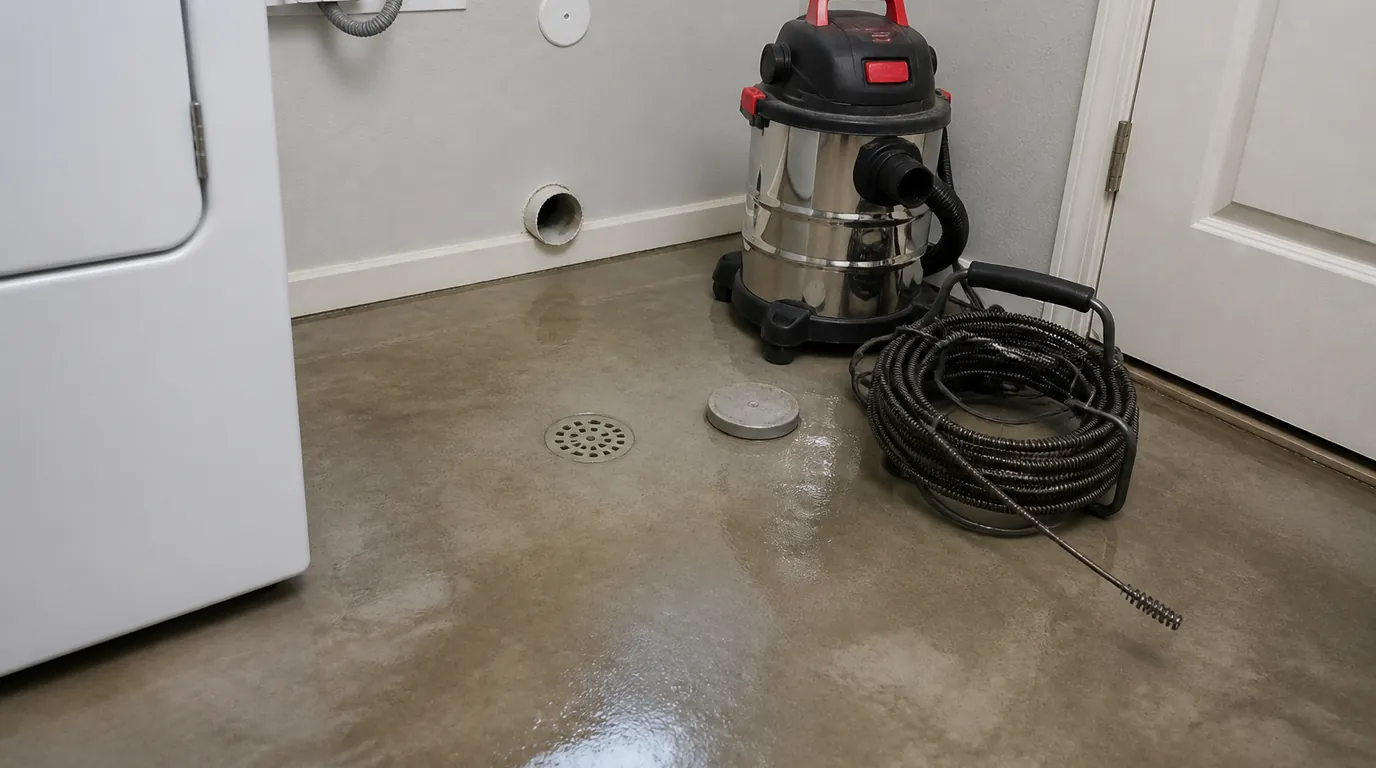
Each drain keeps a bend of standing water, called a trap, to block sewer gas. Rarely used drains, such as a guest shower or a floor drain, can dry out in desert air.
Let water run down each seldom-used drain for a minute. A smell that fades means the trap had dried out. A thin layer of oil on a floor drain slows evaporation.
A toilet sits on a wax ring. If the ring fails or the toilet rocks, gas can escape at the base. Look for a stain around the base or movement when you push the bowl.
A plumber lifts the toilet, replaces the ring and checks the flange.
A crack in a drain line inside a wall or under the slab can leak gas. A loose cleanout cap outside can too. Smells near the yard point to the lateral.
A camera shows the pipe. Read sewer camera inspection for how that works.
Plumbing vents let air into the system and gas out through the roof. A blocked vent can pull water from traps and let gas in. Birds, debris and nests can block vents.
A plumber checks the vent path and clears it.
Match the location to the most likely cause.
| Location | Likely cause | First check |
|---|---|---|
| Guest bath or floor drain | A dry trap | Run water for a minute |
| Base of a toilet | A failed wax ring | Look for movement or staining |
| Kitchen sink | Residue in the trap or the disposal | Run cold water and clean the disposal |
| Exterior wall or yard | A vent or cleanout issue | Check the cleanout cap |
| Several rooms | A blocked or cracked line | Camera inspection |
A partly blocked line holds waste and smells. The odor often gets worse after a flush. If several fixtures drain slowly, the main line may be involved.
See drain cleaning and sewer backup repair if the smell comes with gurgling.
A rotten egg smell can also be the additive in natural gas. Should you notice it, leave the house, phone the gas utility from outside and avoid switches and flames.
If the smell is sewage and strong, with water backing up, stop using water and call.
Move from room to room and mark where the odor is strongest. A bathroom points to the toilet or tub trap. A kitchen points to the sink trap or disposal. A smell by an exterior wall points to a vent or cleanout.
The location is the best clue, and it tells the plumber where to start.
Floor drains in garages and laundry rooms dry out fast. A laundry standpipe may have a trap that has lost water if the washer is rarely used.
Pour a quart of water down each and watch for a smell. If it keeps returning, the trap or the line may be damaged.
Food residue in a disposal chamber smells like sewage. Run cold water and grind ice, then rinse with a little dish soap. If the smell stays, the line behind the disposal may hold buildup.
See garbage disposal repair for what a plumber checks.
A hot water smell like rotten eggs often comes from bacteria in a tank, not from the sewer. If only hot water smells, the heater is the likely source.
Ask the plumber about the anode rod and a tank flush.
A few Avondale area properties use septic tanks. A septic smell near the yard can mean a full tank or a failing field. Mention it when you call.
Outbuildings with a sink or a toilet and a rarely used drain can smell for the same dry trap reason as a guest bath.
Smells can change with weather. Dry air pulls water out of traps faster, and shifting air pressure can push gas into the house through weak points. A smell that comes and goes with the weather often points to a trap or vent issue.
A smell that is steady and strong is more likely to be a leak or a blockage.
A plumber may run a smoke test that sends harmless smoke through the drain system. Smoke that escapes shows the leak point. A camera can follow the drain line from a cleanout and show cracks and roots.
These tests find the cause without opening walls on a guess. Ask which one the plumber recommends.
Open windows, run exhaust fans and avoid using the fixture that smells until it is checked. Do not mask the smell with fragrance sprays, since you need to know if it changes.
If the smell is strong, if anyone feels unwell or if you also notice gurgling or backups, call right away. Do not ignore a strong or steady smell.
Phone if the smell lingers after you refill the traps, if it is strong or if drains are slow too. Tell them where it is worst.
A plumber can trace and repair the source.
Look first at a dried-out trap, a worn toilet seal or a vent problem.
In large amounts it can be. A steady smell is a reason to find the source.
Weather, wind and use can change how much gas escapes.
If the source is in the drain line, yes.
Not always. A dry trap is more common. If it persists, a camera can check.
Once a month is a good habit.
See inside the line on video before you pick a repair or buy a property.
Clear slow or blocked drains in a kitchen, bathroom, laundry room or main line and find out what caused the clog.
Handle wastewater rising in a tub or floor drain by clearing the main line and checking its condition.
A dead handle, a weak swirl or a bowl that fills and stalls each point to a different cause. Match the symptom to the fix.
With a meter, some dye tablets and a slow walk through each room, you can shrink a hidden leak to one zone before phoning a plumber.
Hissing or random refilling means water is draining away all day. Most cases trace back to the flapper or the fill valve.
Phone and tell the dispatcher which room smells worst. They will arrange the next step.
Service area centered on Avondale and nearby Maricopa County cities.