Drain Cleaning & Unclogging
Clear slow or blocked drains in a kitchen, bathroom, laundry room or main line and find out what caused the clog.
Flush a toilet and water climbs in the tub. A floor drain gurgles and fills. A main line clog or broken lateral is shoving wastewater back into the house. Stop using water and ring the 24/7 line now.
Do not flush, run the washer or use sinks. Keep children and pets away from standing wastewater.
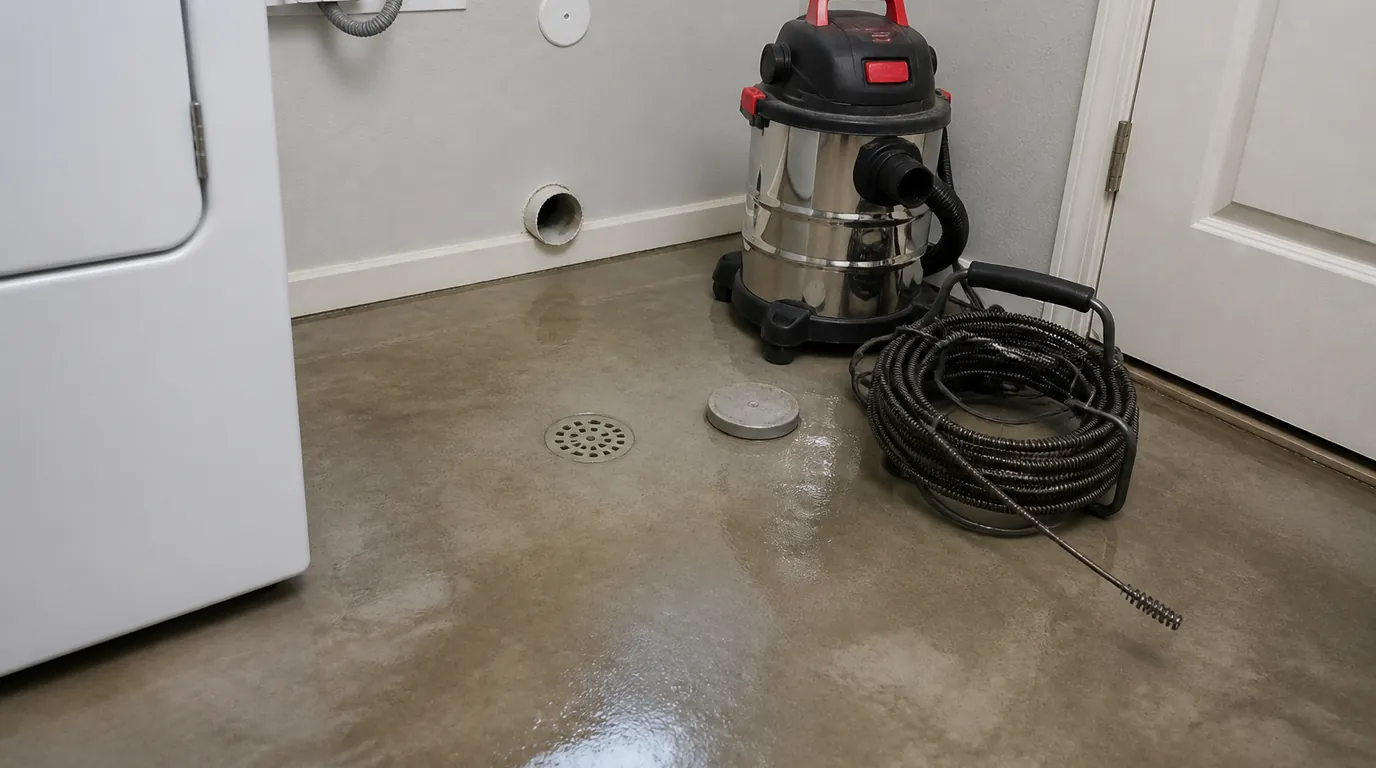
Stop every use of water: no flushing, laundry, dishwasher or long showers. Each gallon sent down worsens the backup.
Keep people and pets out of the wet area, put on boots and gloves if you have to go in, and open windows. Photograph everything for insurance before moving it.
A blockage in the main line stops wastewater from leaving the house. Roots, grease, flushed wipes and a cracked or sagging pipe are the usual causes.
The lowest drain in the house shows it first, since wastewater rises to the nearest opening. That is why a tub or a floor drain often overflows before a toilet does.
A backup can be a one-visit clear or a repair project, so the cause drives the cost.
Ask what the first visit includes, and whether a camera inspection is part of it.
The sewer lateral on your property is generally the owner's responsibility, while the city maintains the main in the street. For City of Avondale accounts, Public Works at (623) 333-4400 can tell you where the dividing line sits.
The city also promotes an optional sewer line warranty through Service Line Warranties of America. It is not a city service, and enrolling does not affect your utility service.
The contractor accesses the line through a cleanout and clears the blockage with a cable or a jetter. Once flow returns, a camera look shows whether the pipe is cracked, offset or full of roots.
Clearing a clog gets water moving again, but it does not repair a broken pipe. If the camera shows damage, ask for repair and replacement options in writing.
Most Avondale homes connect to the city sewer, but a few properties use septic tanks. If yours does, tell the dispatcher at the start of the call, because a septic backup has different causes, such as a full tank or a failing leach field.
Ask whether the contractor services septic systems, pumps tanks or snakes the house line, and how the visit is quoted.
Early signs let you act before sewage reaches the floor.
Locate the cleanout cap outside if you can, and clear the area around it. Keep the cleanout closed unless the plumber asks.
Move rugs and belongings out of the affected room. Do not use a household vacuum on wastewater. Ventilate and stay out of standing water.
The plumber checks which fixtures are affected, clears the blockage through the cleanout and then pushes a camera down the line.
The footage shows roots, grease, a sag or a break. That tells you whether the clog was a one-off or a symptom of a damaged pipe.
A short crack or a joint gap can be repaired at a single spot. A lateral with sags, collapse or heavy root intrusion is a replacement conversation.
Read sewer line repair and sewer line replacement to compare the options. For routine clears, see drain cleaning.
Clear slow or blocked drains in a kitchen, bathroom, laundry room or main line and find out what caused the clog.
See inside the line on video before you pick a repair or buy a property.
Mend a broken, root-choked or sagging sewer pipe from house to connection.
Stop using water, keep people away from the area and call. Photograph the damage and note which fixtures backed up.
The lateral on your lot is generally the owner's. If the city main is the cause, tell the city. A camera look helps settle which side the blockage is on.
Many standard policies exclude sewer backup unless you added a rider. Check your policy and call your insurer early.
Not always, but when several drains are affected at once the main line is the first suspect.
The price depends on where the blockage sits, the method and any damage found. Get a quote before work starts.
Call the 24/7 line. A backup that threatens the house gets priority, and the dispatcher can tell you what arrival window is possible.
Tell the dispatcher it is a septic system. Ask whether the contractor handles septic backups, tank pumping and the house line.
A failed ejector pump can cause a backup in a below-grade fixture. Ask whether the contractor replaces ejector pumps.
A camera can show where the blockage or break sits relative to your cleanout, which helps decide who handles it.
Stop using water, keep everyone clear and call. The dispatcher asks which fixtures are affected and connects you to a plumber.
Service area centered on Avondale and nearby Maricopa County cities.