Sewer Line Repair
Mend a broken, root-choked or sagging sewer pipe from house to connection.
A camera on a flexible cable shows what a plumber cannot see through the soil: cracks, roots, sags, grease and fittings. An inspection turns guessing into a plan, and it is a smart step before any repair or home purchase.
Tell the dispatcher whether the inspection is for a backup, a purchase or a recurring clog.
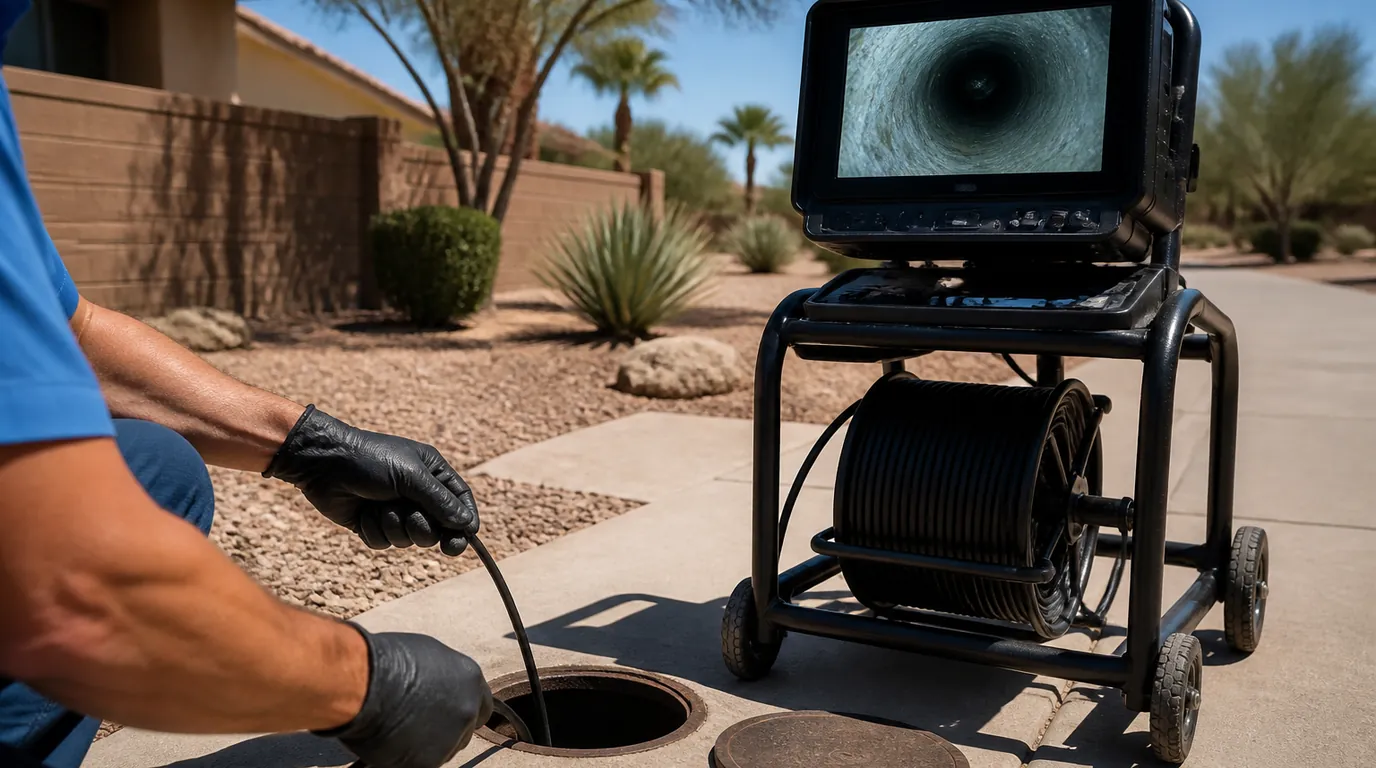
A waterproof camera on a push cable travels through the line from a cleanout and sends live video to a monitor. A transmitter in the camera head can be tracked from above ground to mark depth and location.
The footage reveals roots, cracks, offset joints, bellies, scale, grease and the pipe material.
It shows whether a clog was a one-time event or a symptom of damage. It shows whether the pipe can be cleaned, lined, repaired or must be replaced.
It also gives you a record of the line's condition, which helps with insurance and home sales.
The plumber finds the cleanout, clears any blockage if needed and runs the camera. Expect the visit to take under a couple of hours for a typical house, depending on line length.
Ask whether you receive a recording and a written summary. Some contractors mark the surface where problems sit.
Buyers often order a camera inspection during the due diligence window. Sellers can also order one to know what a buyer's inspector might find.
A written finding of a damaged lateral lets you negotiate a repair or a price change before closing.
Inspection pricing depends on access and how much cleaning is needed first.
Ask whether you receive the video and a written summary.
Any of these is a good reason to book a camera visit.
Locate the cleanout and clear the area. If a fixture backed up, stop running water.
Have past reports and invoices ready. Note which fixtures have been slow and when.
The plumber runs the camera through the line, noting distances to each defect. A locator marks the depth and route above ground.
You see the footage on the monitor, so you can ask questions as the camera travels.
Minor roots or scale suggest cleaning. A single crack may mean a spot repair. Collapsed pipe means replacement.
Read sewer line repair and sewer line replacement to compare options.
Homes near older parts of Avondale may have clay or cast iron laterals. Newer homes usually have PVC, so the camera often shows a clean, straight pipe.
A camera can also help sort out whether a backup is your lateral or the city main.
Mend a broken, root-choked or sagging sewer pipe from house to connection.
Scour a drain with high-pressure water to remove grease, scale and roots that a cable left behind.
Clear slow or blocked drains in a kitchen, bathroom, laundry room or main line and find out what caused the clog.
It can show cracks, offsets and root intrusion that suggest a leak. A leak search may need additional methods.
Ask before the visit. Many contractors provide a recording and a short summary.
It can show where the damage sits relative to your cleanout and the property line, which helps decide who handles it.
A typical home takes under a couple of hours. A long or blocked line takes longer.
Pricing depends on access, line length and any cleaning needed first. A contractor should quote it before the visit.
Ask the dispatcher about same-day openings. Urgent backups come first.
It usually means a blockage, a collapse or a sharp offset. The plumber can clear the line or recommend repair.
Many contractors do. Ask for a written summary you can share with your agent.
The dispatch line works at night and on weekends. Say whether the line is backing up now or you want an inspection for a purchase, since the two are handled differently.
Phone and ask for a camera inspection, mentioning whether it is for a clog, a repair or a home purchase.
Service area centered on Avondale and nearby Maricopa County cities.