Toilet Repair & Installation
Handle a toilet that runs on, leaks at the base or clogs, or set a new one.
A toilet that keeps running is one of the most common reasons for a high water bill. The repair is often a single inexpensive part, and a little dye plus a careful look inside the tank usually identifies it.
By the Avondale Plumbing Co. team ·
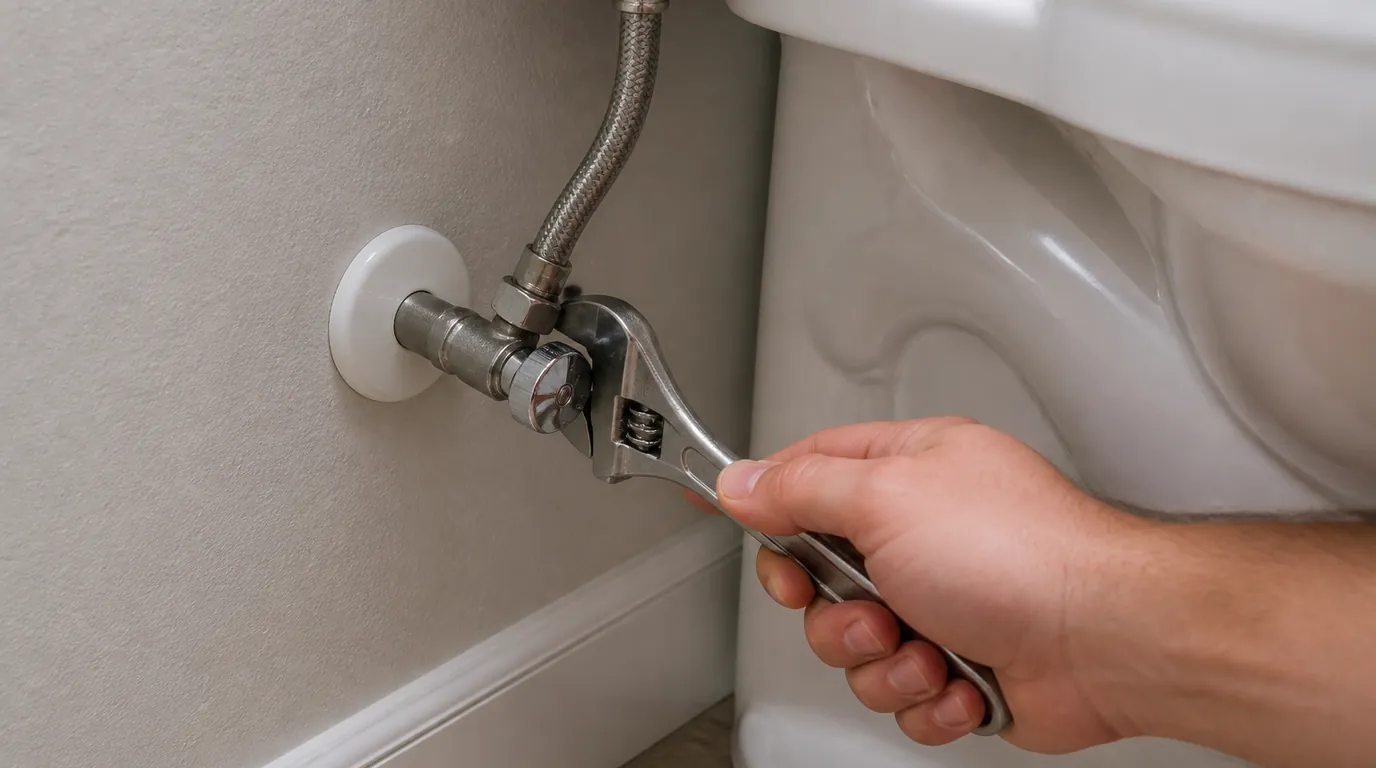
Stand in the bathroom at night when the house is quiet. A hiss or a trickle means water is moving. A toilet that refills every few minutes, called ghost flushing, also points to a leak from tank to bowl.
Take off the lid and look. Water trickling into the overflow tube means the fill level is set too high, while a tank level that sinks between flushes means the flapper is leaking.
Put several drops of food coloring in the tank and leave the handle alone. After fifteen minutes check the bowl. Tinted water there shows the flapper is not sealing.
The test is nearly free and the answer is clear. Try every toilet in the house, because a single silent leak can lift the bill.
Flappers are rubber, and rubber hardens and warps over the years. Hard water and tank cleaners speed up the wear. A new flapper costs little and takes minutes.
Close the supply valve, flush to drain the tank, then unhook the old flapper and clip in a matching replacement. Make sure the chain has a little slack, so the flapper can close fully.
Water that keeps running into the overflow tube means the fill valve sits too high or is wearing out. Most have a screw or a float clip for adjusting. Bring the level down to roughly an inch under the tube top.
A valve that still will not close after adjusting should be replaced. They are cheap and come in many sizes.
One of these three parts is usually responsible.
| Part | Sign | Fix |
|---|---|---|
| Flapper | Dye reaches the bowl | Replace the flapper |
| Fill valve | Water runs into the overflow tube | Lower the level or replace the valve |
| Chain | The flapper does not close fully | Adjust the slack |
| Flush valve seat | A leak even with a new flapper | Clean the seat or replace the valve |
A short chain props the flapper open, and a long chain can snag under it. Aim for a little slack in between.
If the seat the flapper rests on is pitted or crusted with scale, even a new flapper will leak. Cleaning the seat gently with a pad can help. A damaged seat means a new flush valve.
A toilet that runs steadily can waste many gallons a day. The loss is silent, and it shows up on the bill, not in the bathroom. That is why checking toilets is one of the first steps in any leak search.
Read high water bill leak detection if the bill stays high after the fix.
An old toilet with several worn parts may be better replaced. A cracked tank, a leak at the tank bolts or a bowl that sweats constantly points to a new unit.
See toilet repair and installation for what replacement involves.
A running toilet needs few supplies. A universal flapper, a new fill valve, a small adjustable wrench, a sponge and a bucket cover almost every case. Carry the old flapper to the hardware store so the size and style match.
Turn off the supply valve before you work, and flush once to drain the tank. Keep a towel ready for the first refill in case a connection weeps.
After replacing a part, add fresh dye to the tank and wait fifteen minutes. A clear bowl means the flapper now seals. Then listen at night for any hiss or refill cycle.
For a final check, read your water meter with all fixtures off, then read it again after an hour. A steady number means the toilet is no longer losing water.
A toilet that runs once in a while may have a flapper that seals most of the time but not always. A chain that snags or a float that sticks can cause the same behavior. These faults are easy to miss because the toilet seems fine when you check.
Watching the tank for ten minutes after a flush often shows the problem. If the water level drops slowly, the flapper is the likely cause even if the bowl looks calm.
A toilet leak is small by the minute and large by the month. Because the loss is silent, many households find it only when the bill climbs. A single run of the dye test in each toilet twice a year is a cheap way to catch it.
If your bill is high and the toilets are fine, read about high water bill leak detection for the next steps.
Condensation on a tank can look like a leak. Wipe the outside dry and check again in an hour. If the tank stays dry but the floor gets wet, look at the supply line and shutoff. If the tank itself drips, a cracked tank needs replacing.
A tank that weeps from the bolts at its base needs new bolts and washers, which is a quick job for a plumber.
Call if you cannot find the source, if water seeps at the base or if the shutoff valve will not close. A seized valve can turn a small job into a flood if forced.
A plumber can replace the valve and the parts in one visit.
When the flapper fails to seal, water seeps into the bowl and the tank keeps refilling.
Many last for years, though hard water can shorten that.
Often yes. Parts are cheap and instructions are on the package.
Do not force it. Call a plumber, or shut off the main valve.
If the toilet was the leak, yes.
Handle a toilet that runs on, leaks at the base or clogs, or set a new one.
Find out why a bill jumped or the meter will not stop, and whether a leak is the cause.
Cure dripping faucets, sluggish flow, frozen stop valves and weeping hose bibs.
A dead handle, a weak swirl or a bowl that fills and stalls each point to a different cause. Match the symptom to the fix.
A bigger bill almost always has an ordinary explanation. Walk through the likely ones before blaming the meter.
With a meter, some dye tablets and a slow walk through each room, you can shrink a hidden leak to one zone before phoning a plumber.
Call and describe what you saw. The dispatcher will arrange a plumber.
Service area centered on Avondale and nearby Maricopa County cities.