Leak Detection
Pinpoint where hidden water is escaping, whether in a wall, under a floor or along the buried pipe, before any demolition starts.
The bill arrived and it is far above normal, or the utility sent a leak alert. This page walks through how to tell a real leak from heavy use, and what a plumber does to find the source.
No forms. Call, read out what the bill and the meter show, and the dispatcher lines up a leak search.
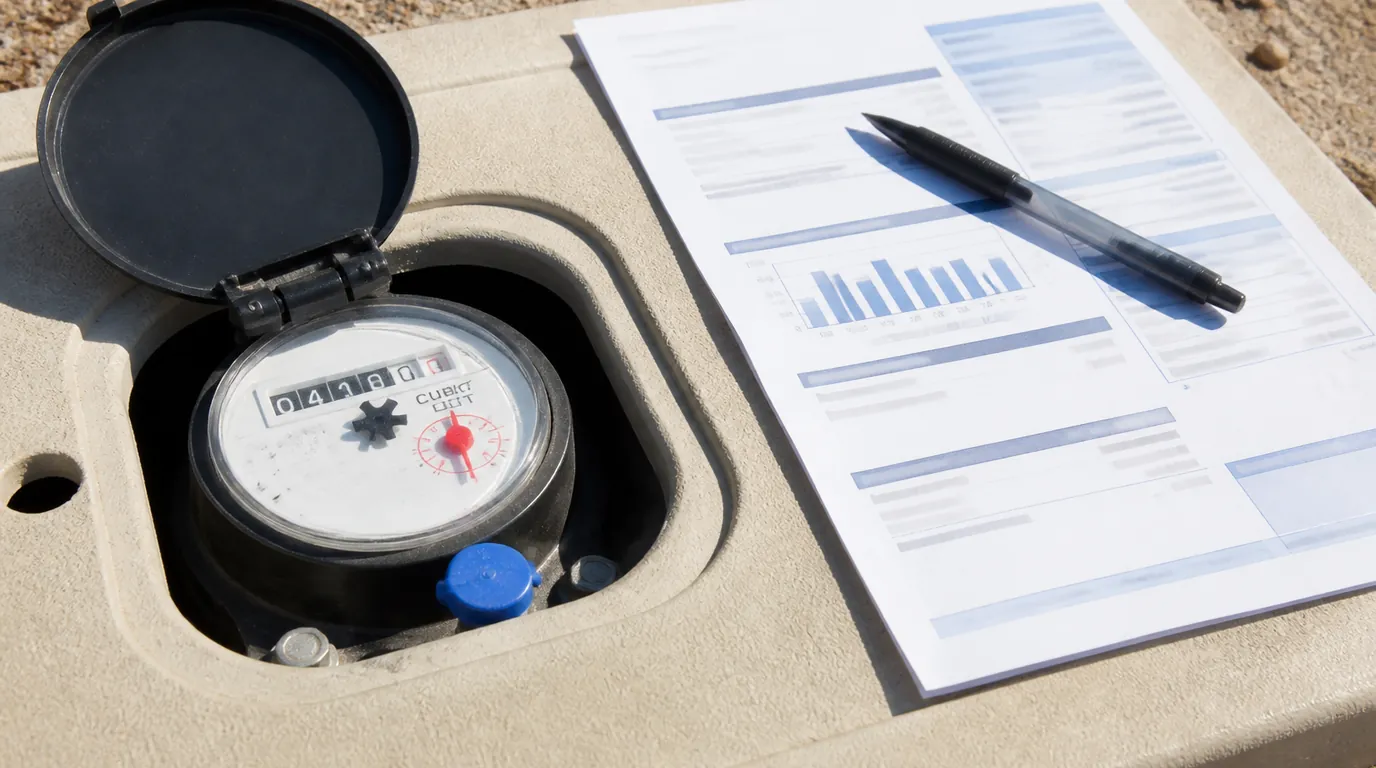
The meter box normally sits by the curb out front, so lift its lid and jot down the number. Keep every fixture off for twenty minutes, then read it a second time.
A moved reading means water is going through the line. The triangle or small dial on the face turns even when only a trickle passes, which makes it handy for slow leaks.
Close the main shutoff at the house and check again. A stopped meter points to a leak inside the house, and a meter that keeps turning points to the buried line.
A toilet that runs on its own is the top cause of a sudden jump. A worn flapper or fill valve can waste water all day and all night without a sound.
Next come irrigation valves stuck open, a leaking water heater relief valve, a dripping faucet and a pool auto-fill. Summer watering and a refilled pool can lift a bill without any leak, so compare against last summer too.
If none of those explain it, the leak is probably in a wall, under the slab or on the supply line. A leak search separates those cases.
The price of finding the source depends on how hard the pipe is to reach and how many tests the search needs.
Ask for the quote before the visit and find out whether the search fee applies toward the repair.
Valley summers push bills up on their own. Longer irrigation cycles, evaporation from a pool and added showers all show up on the meter.
That is why a meter test with everything off matters more than comparing one month to the next. Idle movement is the proof that counts.
The plumber starts where you did, with the meter, then isolates the house and each branch with valves. A section that holds pressure is cleared and a section that loses it is searched.
On the section that fails, the contractor listens along the pipe and may scan with thermal imaging. A line that still hides the leak may need more advanced testing.
You end up with a marked location and a repair plan, not just a theory.
Ask your water provider whether it has a leak adjustment policy and what proof it needs. A written note from the contractor describing the leak and the repair often helps.
Rules differ by provider and change over time, so call the number on the bill. For City of Avondale accounts, Public Works lists its main line at (623) 333-4400.
Each takes a minute or two and can save time on the visit.
Keep the latest bill and the one from the same month last year. Note the meter reading and what happened when you closed the main.
A plumber can estimate how fast water is escaping from the meter movement. A fast leak and a slow one call for different urgency.
Many leaks are a quick fix on a valve or fitting. When a line has failed repeatedly or sits under hard surfaces, a longer section may be worth replacing.
Ask for both options in writing, with what each includes. See repiping if the house has older galvanized supply pipe.
Pinpoint where hidden water is escaping, whether in a wall, under a floor or along the buried pipe, before any demolition starts.
Repair or replace the underground line that feeds water into the house.
Pin down a supply pipe that is leaking beneath the foundation slab and repair it.
Note the meter, leave water off for twenty minutes and read it again. Any movement means water is flowing. Also test the toilets with food coloring in each tank.
Yes. Summer irrigation, a pool refill, houseguests and a new appliance can all lift usage. The idle meter test separates normal use from loss.
The leak is on the house side of the shutoff. That could be a toilet, a faucet, a wall line or a pipe under the slab.
Most likely the leak sits on the underground pipe between meter and house. Read about water line repair, and phone 811 before you dig anywhere in the yard.
The price depends on access and the tests needed. The contractor should quote it before work starts, and you can ask whether the fee counts toward the repair.
Ask the dispatcher about same-day openings. A fast-moving meter signals an active leak, and those calls are taken first.
Some providers offer a leak adjustment with proof of repair. Ask yours what documents it wants and keep the contractor's written report.
Many contractors do both. Ask upfront whether repair is included and how the detection fee is handled if you proceed.
Read the meter with everything off, then call. The dispatcher will ask what it did and line up the next step.
Service area centered on Avondale and nearby Maricopa County cities.