Slab Leak Detection & Repair
Pin down a supply pipe that is leaking beneath the foundation slab and repair it.
Pipes that have leaked three times in two years are telling you something. Repiping replaces the aging supply lines through the whole house so repair bills stop piling up. This page covers when it makes sense and how it is done.
Call, describe where the leaks keep showing up, and ask for a repair and a repipe quote to compare.
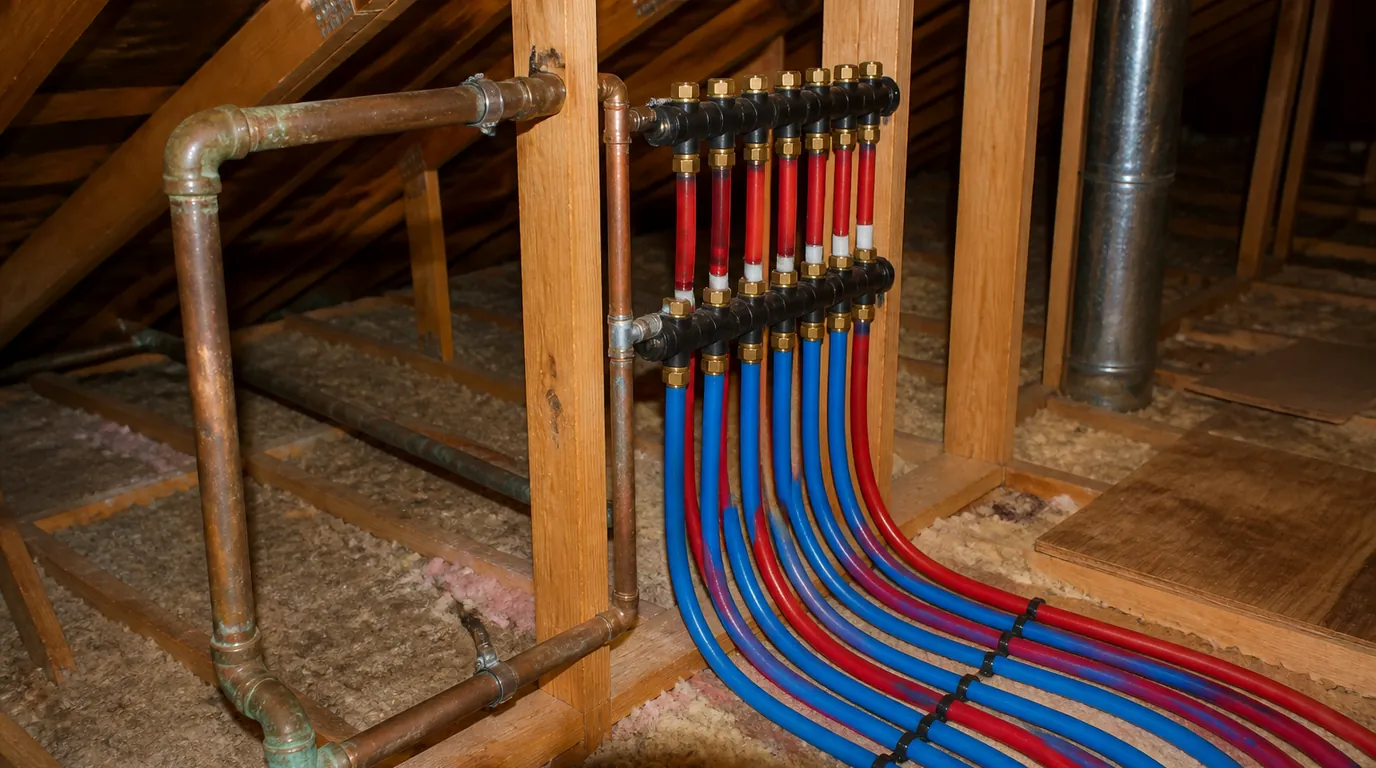
Galvanized steel rusts from the inside and chokes the flow. Older copper can develop pinholes, especially where water chemistry is harsh. Some CPVC and polybutylene lines become brittle and crack.
Newer homes may carry PEX, which tolerates minor movement and resists scale. A plumber identifies the material in your walls and attic and explains what is likely to happen as it ages.
Fix one leak when the rest of the pipe is healthy. Replace when leaks multiply, water is discolored, pressure is poor and spot repairs keep failing.
Ask for both prices in writing. A repipe costs more up front, but it can end repeated repair visits and the damage that comes with them.
Homes built decades ago across the Valley may still contain galvanized supply pipe. The City of Avondale's 2024 inventory of more than 26,000 service connections flagged lead and galvanized lines for replacement. Whatever the city does at its end, the pipe inside your property line is yours to check.
Because many houses sit on slabs, repiping often goes through the attic. That avoids breaking concrete and keeps the new lines easy to reach.
Contractors usually run new lines through the attic and down walls, using as few openings as possible. The old pipe is abandoned in place or removed where practical, and fixtures are reconnected.
Water is off for part of the day, and the crew patches the access holes in drywall. Ask about the schedule, whether the work needs a permit and how inspection is handled.
PEX is flexible, quick to install and common in repipes. Copper is durable but costs more and can be affected by water chemistry. Each material has fans, so ask the contractor why one fits your house better than another.
If the choice is between a repipe and finding one stubborn leak, start with leak detection.
A whole-house repipe is a large job, so the quote varies with the house.
Ask what is included in the quote: permit, patching, painting and pipe from the meter to the house.
One of these may be a repair job. Several together usually mean the pipes are near the end.
Take photos of pipe you can see in the garage, attic or under sinks. Note where leaks have happened before and when.
Collect old repair invoices and note any pressure or water color problems. Mention a planned remodel, since a repipe can be timed with it.
The plumber inspects visible pipe, checks pressure, looks at the meter and may test a few fixtures. A camera or moisture meter can help in tight spaces.
The result is a recommendation: keep repairing, replace a section or repipe the house. Ask to see photos or a note of what the pipe looks like.
Overhead routing avoids the slab and leaves floors untouched. Some designs also run lines through walls, which means more drywall patching.
Compare the plan, the number of access holes and the finish work. Also ask about a whole-house water softener or filter, since new pipe is the easiest time to add one.
Pin down a supply pipe that is leaking beneath the foundation slab and repair it.
Shut down a split pipe quickly, then repair or replace the damaged section.
Repair or replace the underground line that feeds water into the house.
Repeat leaks, rusty water, weak pressure and old galvanized or polybutylene pipe are the main triggers. A plumber can inspect and tell you what you have.
Most repipes run a few days, depending on house size and access. Ask the contractor for the hours of water shutoff each day.
Usually yes, but water is shut off for part of the day and the work is noisy. Ask the contractor about a temporary supply.
It often does. The contractor typically handles that and schedules the inspection, but confirm it in the quote.
The price depends on house size, material and access. Ask for a written quote with the permit, drywall repair and paint listed separately.
Yes. A section such as a kitchen and bath group can be replaced separately, though a partial job may leave older pipe elsewhere.
A repipe is a whole-house replacement. A pipe replacement can be one run, one wall or the line from the meter.
If you suspect lead, ask City of Avondale Public Works what its service line inventory shows and ask a plumber to identify the pipe material.
The line is open around the clock. If pipes are failing right now, say so and the dispatcher will treat it as urgent. Planned repipes are scheduled in daytime hours.
Call, describe where the pipes keep failing and ask for a repair quote and a repipe quote side by side.
Service area centered on Avondale and nearby Maricopa County cities.