Drain Cleaning & Unclogging
Clear slow or blocked drains in a kitchen, bathroom, laundry room or main line and find out what caused the clog.
An overflowing bowl, a toilet that runs all night or a leak at the base is more than a nuisance. Call, describe the problem and the dispatcher connects you with a plumber who repairs and installs toilets.
If the bowl is climbing, lift off the tank lid, hold the flapper down and shut the supply valve behind the toilet.
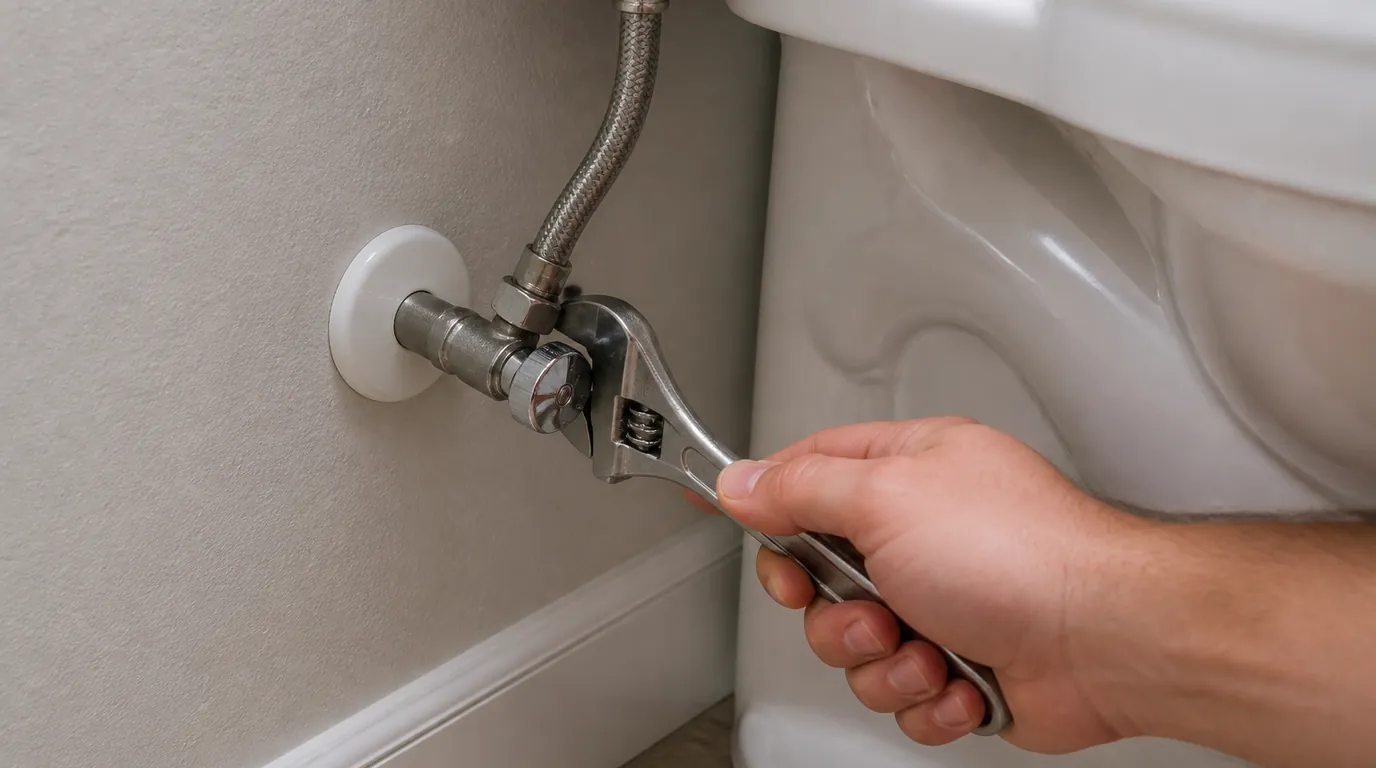
Close the supply by turning the wall valve behind the toilet clockwise. If the water keeps rising, open the tank and press the flapper shut.
Do not flush a second time. Mop up standing water fast, since it can seep into the subfloor.
A plunger with a good seal clears many clogs. A closet auger reaches deeper ones. If several fixtures back up at once, the problem is in the main line.
A weak flush can come from mineral buildup in the rim holes or a partly closed supply valve.
Hard water leaves scale in tank parts and rim jets in many Avondale homes, which shortens the life of fill valves and flappers. Descaling or replacing parts brings back normal flushes.
Slab homes route the toilet drain through the foundation, so persistent clogs may point to a line issue rather than the fixture.
Toilet repair and replacement vary with the cause and the fixture.
Ask whether the quote includes the toilet, supply line and removal of the old one.
A flapper that fails to seal lets water seep into the bowl all day, and a tired fill valve keeps the tank topping up. Both are quick, modest repairs.
Water pooling at the base usually means the wax ring has failed. The toilet comes up, a new ring goes in and the flange is inspected.
Replace a cracked bowl, a toilet that clogs constantly or an old model that wastes water. Ask the plumber about rough-in size, height and flush ratings before choosing one.
Installation includes a new wax ring, supply line and bolts, plus a check that the toilet sits level and does not rock.
These suggest a repair or replacement.
Close the supply valve and clear the floor around the toilet. Remove rugs and towels.
Run a nearby sink briefly. If it drains slowly too, tell the dispatcher, since the problem may be in the line.
The plumber checks the flush, the tank parts, the supply and the base for movement or moisture. For clogs they use a closet auger.
If other fixtures are affected, they check the main line.
Parts are worth replacing on a sound toilet. A cracked or chronically clogging toilet is better replaced.
See drain cleaning for recurring clogs and faucet and sink repair for other fixture work.
Clear slow or blocked drains in a kitchen, bathroom, laundry room or main line and find out what caused the clog.
Cure dripping faucets, sluggish flow, frozen stop valves and weeping hose bibs.
Handle wastewater rising in a tub or floor drain by clearing the main line and checking its condition.
Usually a flapper or fill valve has worn out, and either is a straightforward repair.
Close the supply valve behind the toilet and press the flapper closed. Do not flush again.
A failed wax ring or loose bolts often cause it. Sweating tanks can also drip.
A cracked bowl, constant clogs or a very old toilet usually favor replacement.
Cost depends on the part and labor. Ask for a quote before work begins.
Call the 24/7 line. The dispatcher can tell you what arrival time is possible.
Yes, ask the dispatcher. Mention whether you have a model chosen.
A weak flush, a partial blockage in the line or buildup in the rim can cause it.
Close the supply valve and call. The dispatcher will connect you with a plumber.
Service area centered on Avondale and nearby Maricopa County cities.