Leak Detection
Pinpoint where hidden water is escaping, whether in a wall, under a floor or along the buried pipe, before any demolition starts.
A backyard pool loses water every day in the summer sun, so the hard part is knowing whether the drop is normal. This page explains the bucket test, the common leak points and what a plumber looks for at the equipment pad and in the lines.
Note how many inches the pool drops per day and whether it drops with the pump off.
Fill a bucket to about an inch below the top, set it on a pool step and mark the water level inside and outside. Leave the pump running as usual and compare after a day or two.
If the pool drops more than the bucket, water is leaving through a leak. Repeat the test with the pump off to see whether the leak is in the pressure-side plumbing or in the shell.
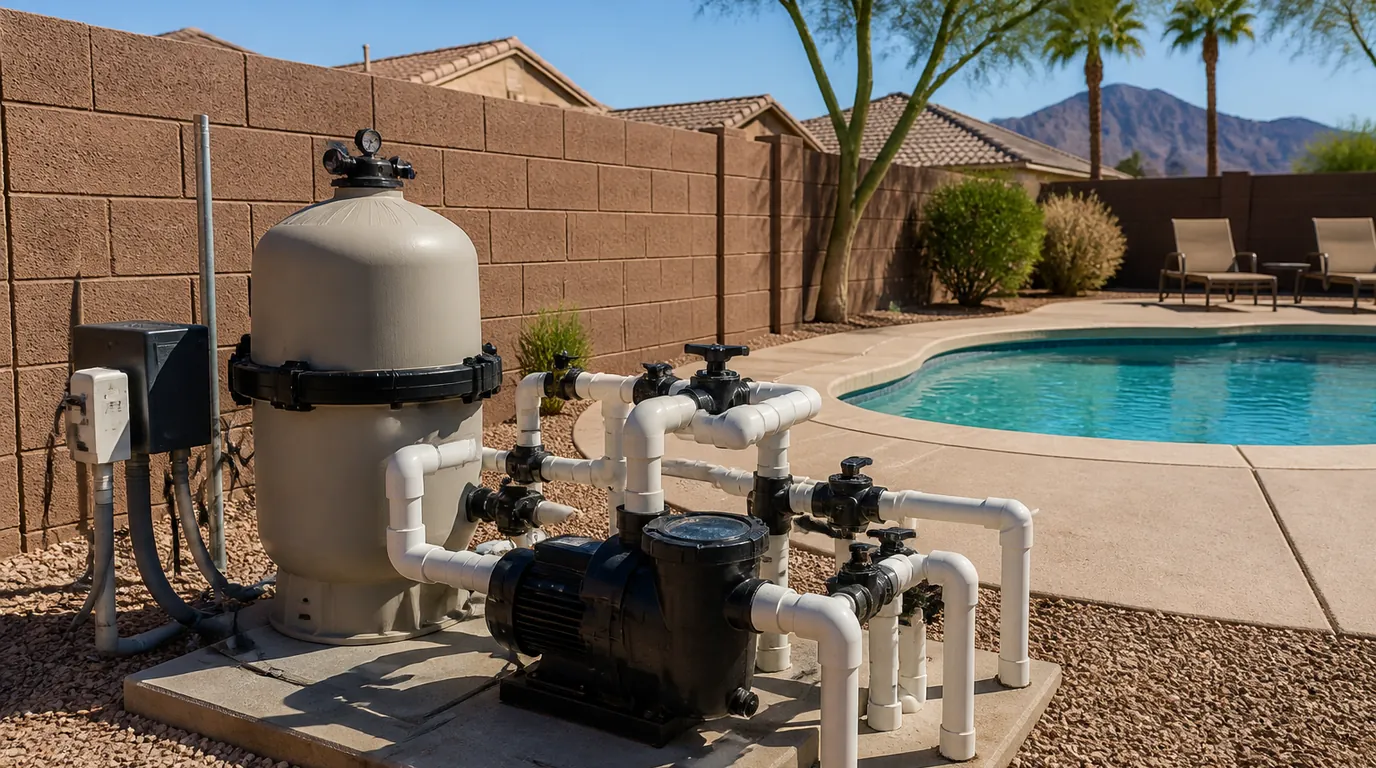
The equipment pad is the first place to look, since pump seals, unions, valves and filter fittings wear. Buried pipe between the pad and the pool can also crack, especially at joints.
Skimmer connections, light fixtures, return fittings and the shell itself are other suspects. A leak may only show when the pump runs, which narrows the search to the pressure lines.
Pool leak work can be a short visit or a larger repair, depending on where the water goes.
Ask whether the visit includes repair and whether deck patching is priced separately.
The contractor may isolate lines with plugs and pressure test each one to see which holds. Dye testing near fittings and listening for water noise can pin down the location.
Ask which methods will be used and whether the contractor repairs pipe, fittings and valves, or only finds the leak. Shell and liner issues may need a pool specialist.
A leaking union or valve at the pad is a quick repair. A cracked buried line may need a section replaced, which means digging through the deck or yard.
If the loss turns out to be on the house side, see leak detection. Call 811 before any digging.
Arizona summer heat and dry air accelerate evaporation, so a pool can lose a noticeable amount of water without any leak.
An auto-fill valve can hide a real leak for weeks, then show up as a bigger water bill. Check the fill valve and the meter if the bill climbs.
Two or more of these together mean it is time to test.
Run the bucket test and note how many inches the pool dropped per day. Turn off auto-fill if you can, or note how often it runs.
Move furniture and toys away from the pump and filter. Do not run a pump dry, and leave the equipment area accessible.
The visit starts with the pad: pump, filter, valves and unions. Then the plumber isolates the suction and pressure lines and tests each separately.
If lines hold pressure, the leak may be in the shell or fittings and a specialist may be needed. A clear answer on that saves time and money.
A repair patch on a cracked pipe works if the pipe is otherwise healthy. A line with several cracks or poor glue joints may be better replaced for a longer-lasting fix.
Ask what restoration is needed, including deck, pavers and landscaping.
Do the bucket test. If the pool drops more than the bucket sitting on the step, a leak is likely.
Plumbers repair leaking pipes, valves and fittings in the plumbing. Leaks in the shell or the liner may need a pool contractor.
Yes, especially with an auto-fill valve. A rising bill with no change in usage is a reason to test the pool.
Often not for pipe and pad leaks. A shell repair may involve lowering the level, so ask the contractor.
It depends on the number of lines and the testing needed. Ask for a quote before the visit and find out what the repair would add.
Ask the dispatcher about same-day openings. A pool dropping fast is worth reporting right away.
The bucket test and the pump-off test help separate them. A plumber can confirm with pressure testing.
Plumbers handle plumbing parts like valves and unions. Pumps, filters and heaters may require a pool equipment technician.
Yes, the line is answered 24/7. Weekend calls are common, since people notice a falling water line when they use the pool.
Pinpoint where hidden water is escaping, whether in a wall, under a floor or along the buried pipe, before any demolition starts.
Find out why a bill jumped or the meter will not stop, and whether a leak is the cause.
Test, repair or install the valve assembly that guards drinking water from yard and pool lines.
Run the bucket test, then call. Tell the dispatcher how many inches the pool loses and whether the pump matters.
Service area centered on Avondale and nearby Maricopa County cities.